

Ear Fullness, Tinnitus, and Jaw Tension: The TMJ–Ear Connection Explained
Ear fullness, ear pain, and ringing in the ears (tinnitus) are common symptoms in people with TMJ disorders (TMD). Many people visit an ENT and are told their ears look normal, yet the symptoms continue.
This is often because the problem is not in the ear itself, but in the muscles and joints that influence the ear system.
The jaw joint (TMJ) sits directly in front of the ear canal, so tension in the jaw muscles can easily refer pain and pressure into the ear.
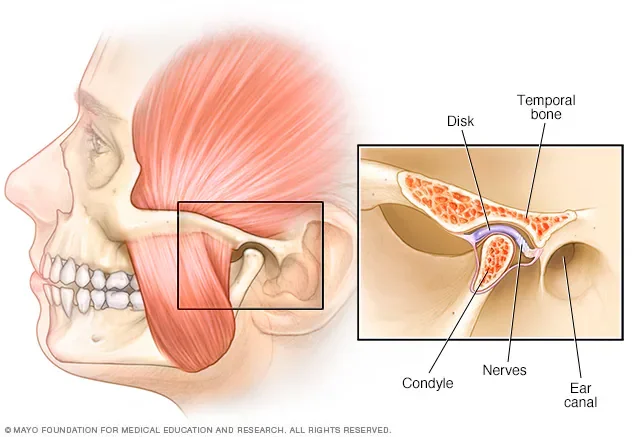
Image of the jaw joint (TMJ) next to the ear canal
There is also a close connection through the Eustachian tube, which regulates ear pressure and connects the ear to the palate and back of the throat.
Swallowing plays an important role in this process. Each swallow briefly opens the Eustachian tubes, allowing air to move between the throat and the middle ear and balance pressure — the familiar “popping” sensation.
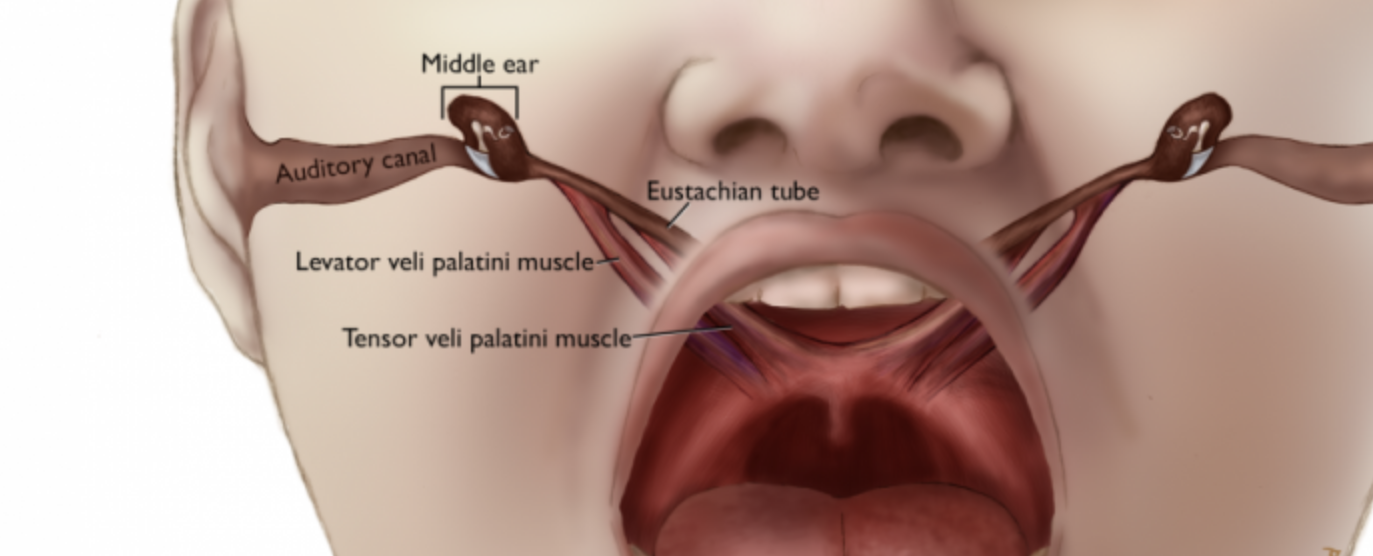
Muscles of that support the Eustachian Tube
This is also why Botox and mouthguards often don’t fully resolve ear symptoms. They usually target chewing muscles or bite mechanics, not the deeper muscles involved in palate and ear function.
The good news is that by retraining the jaw, palate, and swallowing muscles, ear-related symptoms can often improve and pressure regulation can become more stable over time.
How to get relief from these symptoms?
At ReviveTMJ, we guide you through a structured process to rebalance the jaw, palate, and airway muscles that influence ear pressure and inner ear function.
We achieve this with:
Modalities and hands-on techniques to release muscle tension in areas that affect your ear symptoms such as the medial pterygoid and deep layers of the masseter muscles
Retraining optimal swallowing muscle coordination to restore Eustachian tube funciton
Balancing the different jaw muscles to avoid any additional TMJ disorder symptoms.
With consistent guidance, many people begin to experience greater ear comfort, fewer pressure symptoms, and improved overall jaw–ear function.
