

TMJ During Pregnancy: Why Your Jaw May Feel More Tense
Pregnancy brings many changes to your body—but your jaw isn't often one people talk about. If you've noticed more jaw tension, headaches, or TMJ discomfort during pregnancy, you're not imagining it.
Several normal physiological changes can increase strain on the jaw muscles and temporomandibular joints (TMJs). Here are three common reasons why.
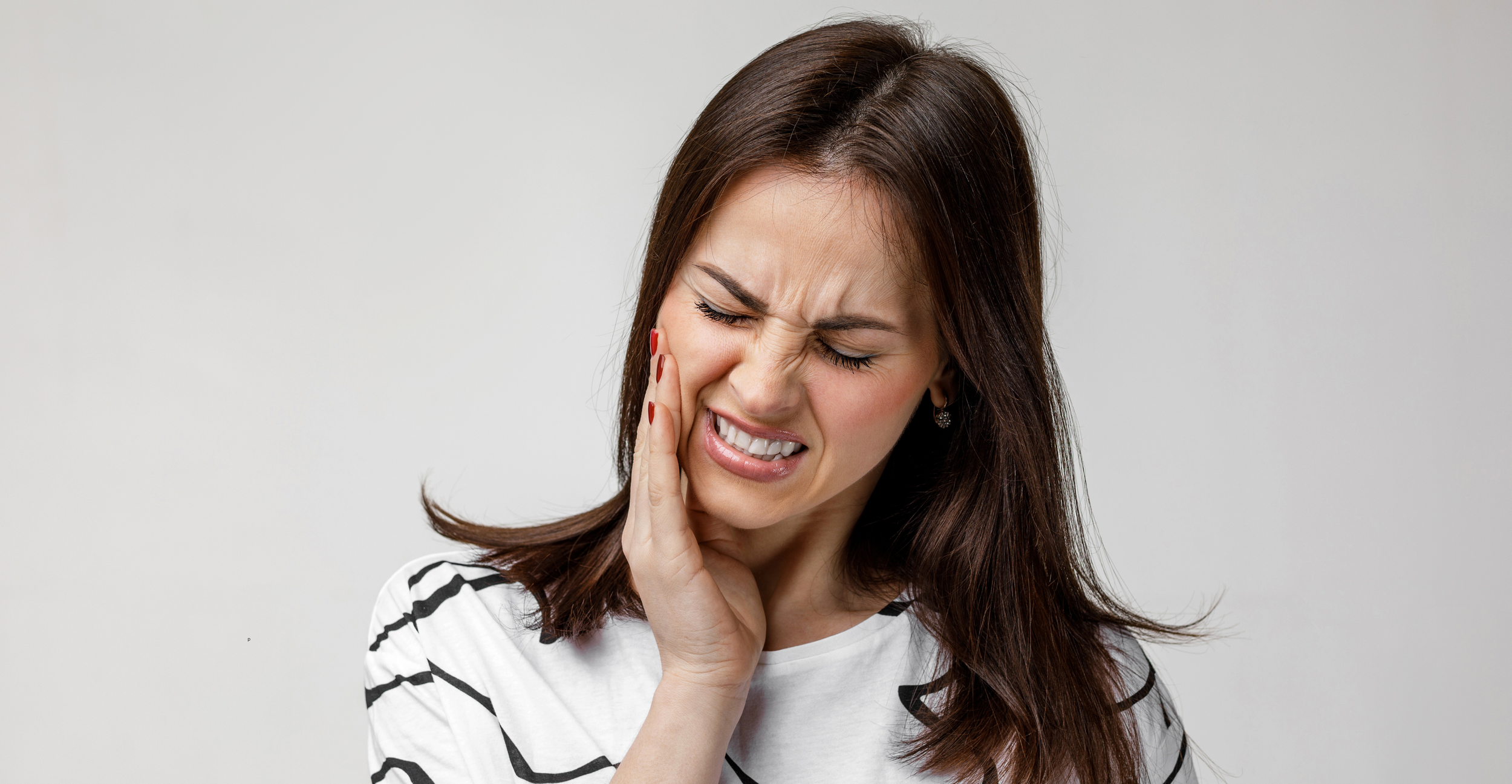
Pregnancy can increase jaw tension and pain
1. Relaxin Increases Jaw Mobility
One of pregnancy’s hallmark hormones is relaxin. Its primary role is to increase ligament laxity to prepare the pelvis for childbirth, but it also affects connective tissues throughout the body—including the jaw.
The temporomandibular joint (TMJ) relies on ligaments, muscles, and joint structures for stability. As ligament laxity increases, the jaw may become slightly more mobile, causing the surrounding muscles to work harder to stabilize it. Think of it like shoe laces that are too loose!
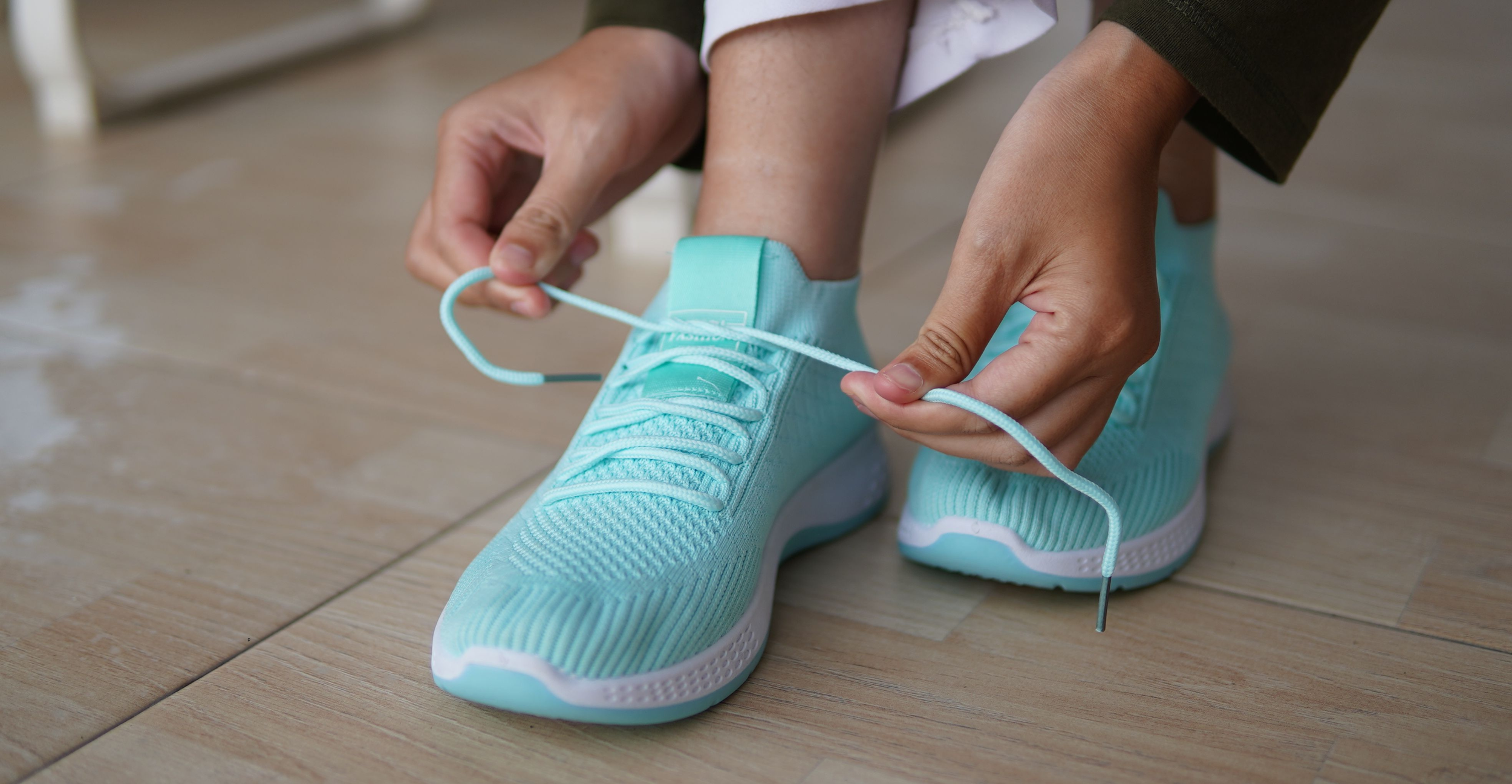
The structures around your TMJ act like laces which give support
This can lead to:
Jaw tension or tightness
Facial pain
Increased clenching or awareness of jaw muscles
If you already have a history of TMJ dysfunction, these pregnancy-related changes may temporarily worsen your symptoms.
2. Pregnancy Rhinitis Can Increase Mouth Breathing
Many pregnant individuals develop persistent nasal congestion—even without a cold or seasonal allergies. Known as pregnancy rhinitis, this occurs because hormonal changes and increased blood flow cause the nasal tissues to swell.
When nasal breathing becomes difficult, many people unconsciously switch to mouth breathing, especially during sleep.
Why does this matter?
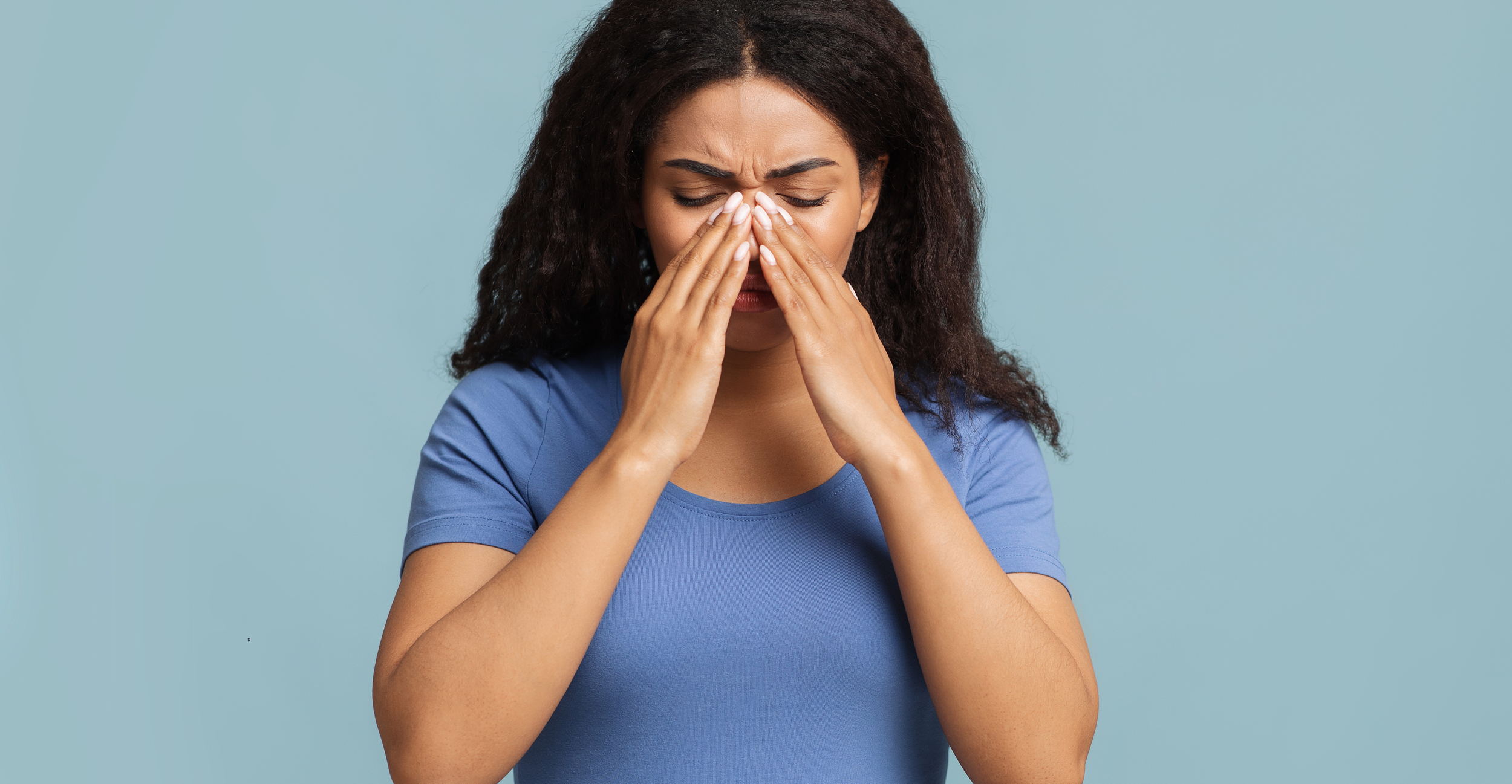
Pregnancy rhinitis can make nasal breathing much more challenging
Mouth breathing changes the resting position of the jaw and tongue. During sleep, it places greater demand on the jaw muscles to help maintain an open airway, which may contribute to:
Increased jaw muscle tension
Morning jaw soreness
Facial fatigue
Morning headaches
Supporting nasal breathing whenever possible may reduce jaw strain and improve sleep quality.
3. Disrupted Sleep Limits Muscle Recovery
As pregnancy progresses, restorative sleep often becomes more difficult. Frequent bathroom trips, discomfort, reflux, difficulty finding a comfortable position, and hormonal changes can all disrupt sleep.
Sleep is when muscles recover from the day's demands. When sleep is fragmented, the muscles responsible for chewing and stabilizing the jaw may not recover as effectively.
This can contribute to:
Increased muscle tightness
Persistent jaw discomfort
Greater pain sensitivity
Daytime fatigue
Because sleep strongly influences pain, optimizing sleep is an important part of managing TMJ symptoms during pregnancy.
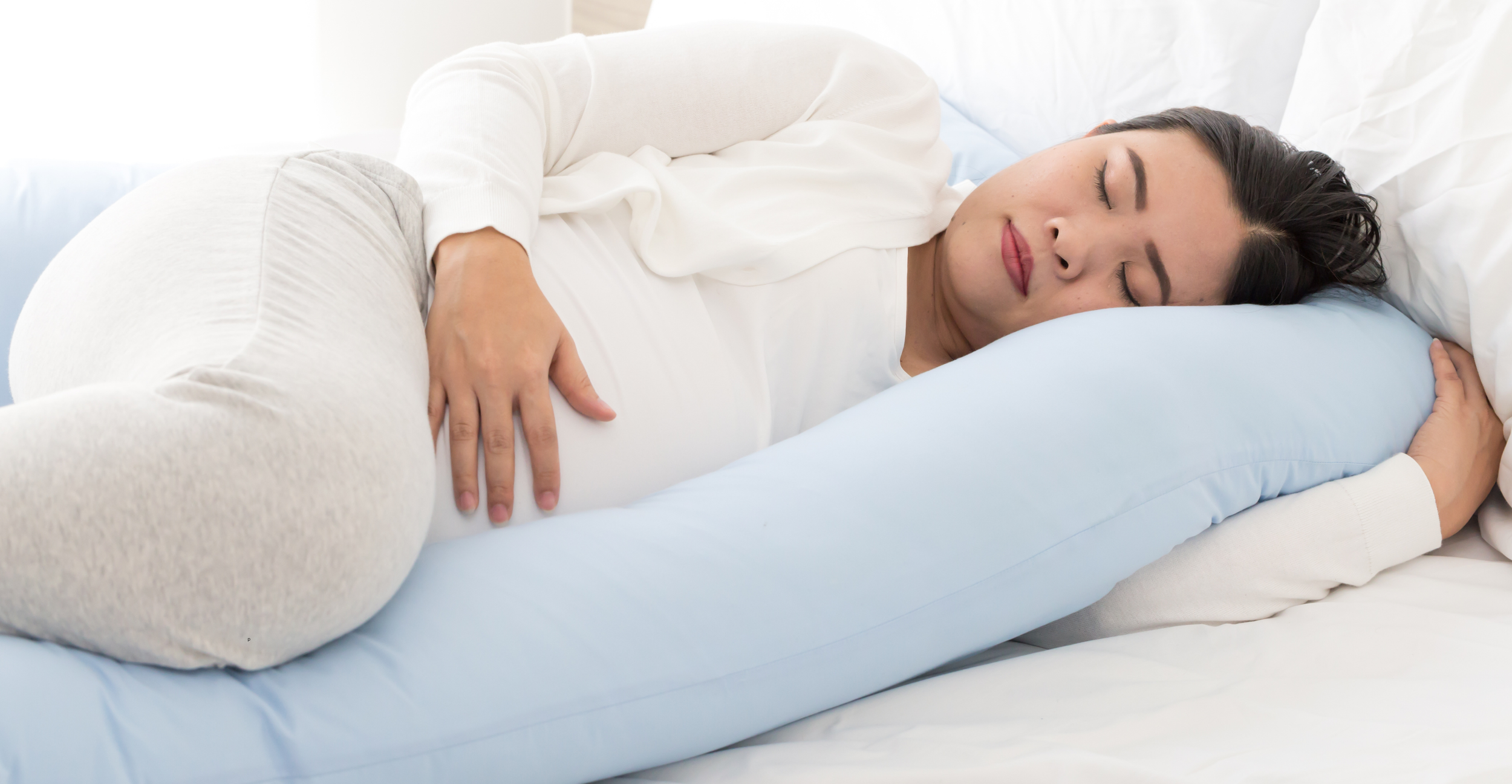
Quality sleep can reduce jaw tension
What Can You Do?
While these changes are common, persistent jaw pain isn't something you simply have to live with.
Try these strategies:
Avoiding daytime clenching ("lips together, tongue up, teeth apart").
Ask your pharmacist or Ob-Gyn about safe, non-medicated nasal sprays (such as with saline) to reduce rhinitis symptoms.
Optimize your sleep position with pillows that feel comfortable for you. Pregnancy body pillows are not comfortable for everyone, individually placed regular pillows, may be more helpful.
The Bottom Line
You don’t have to navigate jaw tension alone.
Reach out to us and we will be happy to to help you find solutions for a more comfortable pregnancy!
